Home Products

Our Specialty Material Portfolio

Every material below begins life as a well-characterized functional compound — and is elevated through proprietary particle engineering, surface treatment, and advanced formulation know-how into a private-label material with a distinct, measurable performance edge. Many of our private-label formulations combine several of these base platforms; contact us with your target application and we will propose the right match.

4 MorphologiesZinc oxide engineered powder

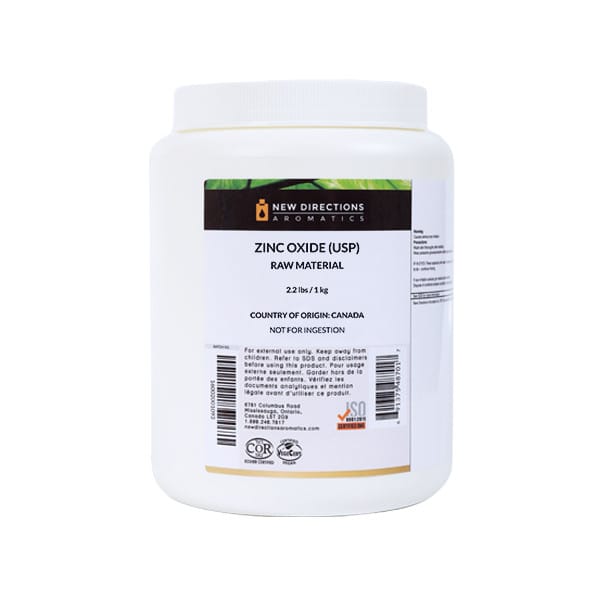
Zinc Oxide (ZnO)

CAS 1314-13-2

Engineered nano-morphologies — spheres, flakes, stars, and snowballs — each tuned via continuous-flow crystallization for a distinct functional profile.

Function
UV attenuationAntimicrobialVulcanization activatorSmoke suppressant
Application
CosmeticsRubber & tiresCoatingsElectronics
Flagship PlatformFlame retardant hydrotalcite compound

Hydrotalcite (LDH)

CAS 11097-59-9

29 nm nanoplatelets, span 0.9 — our premium layered double hydroxide platform engineered for flame retardancy and optical clarity.

Function
Flame retardant (endothermic)Acid scavengerHCl absorberOptical clarity
Application
Cable & wirePVC compoundsPolyolefin filmCoatings
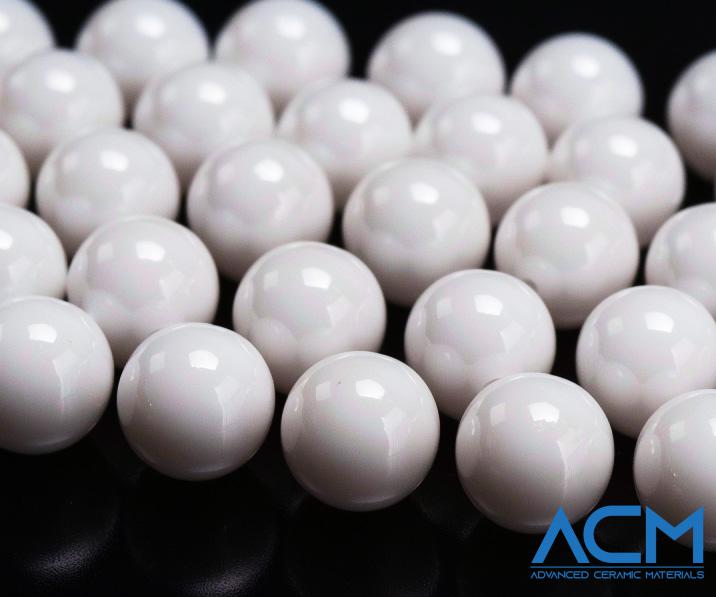
Sub-5nm PurityZirconium dioxide nanoparticles

Zirconium (IV) Dioxide

CAS 1314-23-4

Ultra-fine, sub-5 nm cubic zirconia engineered for refractive-index matching, thermal stability, and oxygen-ion conductivity.

Function
High-RI coating additiveThermal barrierOxygen-ion conductionCatalyst support
Application
Optical & hardcoat filmsDental ceramicsFuel cells & O₂ sensorsRefractory materials
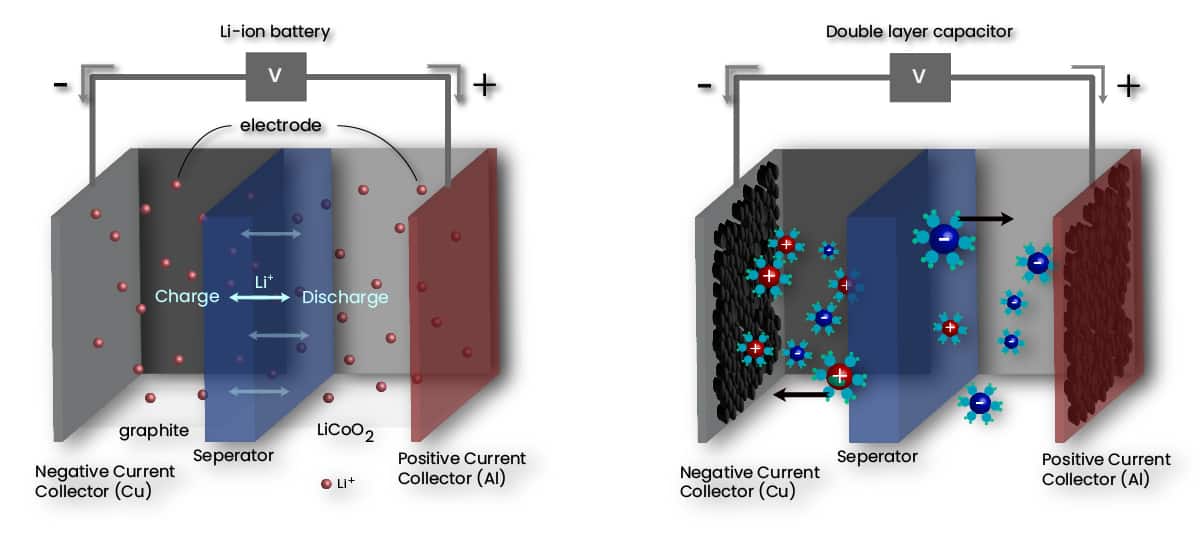
4700 F/g CapacityNickel cobalt hydroxide supercapacitor electrode material

Nickel-Cobalt Hydroxide

CAS 61179-08-6

Flake-structured α-NiCo hydroxide engineered for high-capacity, long-cycle-life charge storage electrode materials.

Function
Pseudocapacitive charge storageOER electrocatalysisBattery precursorHigh cycling stability
Application
SupercapacitorsEV & grid energy storageGreen hydrogen electrolysisLi-ion cathode precursor
Magneto-OpticalCobalt ferrite magnetic nanopowder

Cobalt-Iron Oxide (Cobalt Ferrite)

CAS 12052-28-7

High-coercivity CoFe₂O₄ nanomagnets engineered for magnetic, magneto-optical, and biomedical sensing applications.

Function
Permanent nanomagnetMagneto-optical sensingMagnetic separationChemical catalyst
Application
Spintronics & sensorsMRI contrast agentsEMI shieldingMagnetic hyperthermia
Enhanced BioavailabilityCurcumin nanoparticle nutrient ingredient

Curcumin

CAS 458-37-7

Nano-formulated curcumin (~230 nm particle size) engineered to overcome the natural compound's poor water solubility and low absorption.

Function
Enhanced bioavailabilityNatural antioxidantAnti-inflammatory activesNatural yellow colorant
Application
Nutraceuticals & supplementsFunctional food & beverageCosmetic & skincare activesNatural food coloring
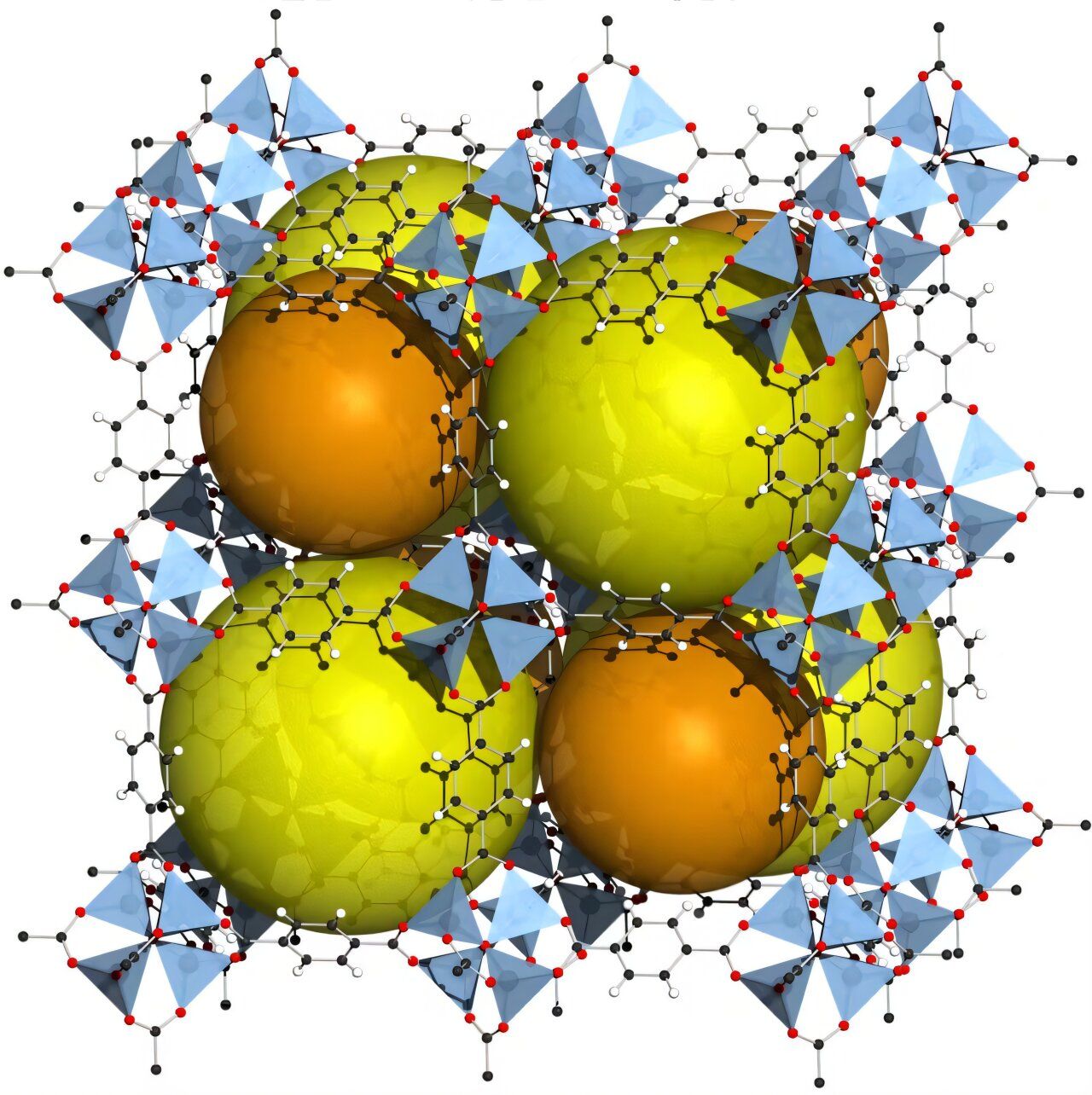
324 m²/g Surface AreaMetal-organic framework porous crystalline structure

Metal-Organic Frameworks (MOF)

CAS 10027-30-2

Ultra-high surface area, tunable-porosity crystalline frameworks engineered for gas storage, separation, and catalytic applications.

Function
Catalyst supportSelective gas adsorptionMolecular sievingControlled-release carrier
Application
CO₂ capture & gas separationIndustrial catalysisWater purificationPharmaceutical delivery vehicles
5-150nm RangeSilver nanoparticle conductive ink

Silver

CAS 7440-22-4

High-purity silver nanopowder spanning a controlled 5–150 nm size range, engineered for conductive, antimicrobial, and plasmonic applications.

Function
Electrical conductivityBroad-spectrum antimicrobialPlasmonic/SERS activityOxidation catalyst
Application
Printed & flexible electronicsConductive inks & pastesAntimicrobial coatings & textilesTransparent conductive films
UV & Multifunctional Platform

Zinc Oxide (ZnO) — Engineered Morphology Series

CAS No. 1314-13-2
Request Technical Data Sheet

Base Platform Overview

Zinc oxide is one of the most versatile inorganic compounds in industrial chemistry — but the commodity-grade material sold in bulk markets captures only a fraction of what the chemistry can deliver. At Kotetsu Trade, we source ZnO produced via continuous-flow crystallization and apply our own morphology-control and surface-treatment know-how to unlock four distinct, application-tuned nano-architectures.

Why morphology matters: the shape of a ZnO nanoparticle — sphere, flake, star, or agglomerated "snowball" — determines its surface area, light-scattering behavior, and reactivity. Selecting the right morphology for the right application is where genuine formulation expertise separates a premium material from a commodity powder.

Cross-Cutting Functional Benefits

  • Broad-spectrum UVA/UVB attenuation via wide bandgap semiconductor behavior
  • Antimicrobial & antifungal activity through reactive-oxygen-species generation
  • Piezoelectric and semiconducting response for electronic and sensor applications
  • Effective vulcanization activator in rubber compounding
  • Smoke-suppression synergist in flame-retardant systems (see Hydrotalcite platform)

Morphology-Specific Performance

MorphologyDistinct AdvantageBest-Fit Applications
Nano-SpheresHighest UV transparency at low loading; minimal light scattering in visible rangeSunscreen, cosmetic base, clear coatings
Nano-FlakesHigh aspect ratio creates a tortuous-path gas/moisture barrierBarrier films, anti-corrosion coatings, packaging
Nano-StarsBranched geometry maximizes active surface area & edge sitesCatalysis, gas sensing, photocatalytic coatings
SnowballsControlled micro-agglomerates for easy dispersion in high-viscosity matricesRubber compounding, tire manufacturing, smoke suppression

Private-Label Formulation Note

Beyond the base morphologies, our proprietary surface-coating and dispersant know-how enables custom ZnO masterbatches and water-based dispersions tailored to a customer's polymer matrix, target loading, and processing temperature window.

Flagship Flame-Retardant Platform

Hydrotalcite (LDH) — Premium Nanoplatelet Series

CAS No. 11097-59-9 · Layered Double Hydroxide, Mg-Al type
Request Technical Data Sheet
29 nm
Nanoplatelet Thickness
0.9
Particle-Size Span (Narrow Distribution)
3-Tier
Synergistic FR Architecture
0
Halogen & Antimony Content

Why This Grade Is Different

Commodity hydrotalcite is typically sold as a coarse anion-exchange additive with a wide, uncontrolled particle-size distribution spanning anywhere from 5 to 28 nm and beyond. Our premium grade is manufactured to a strict 29 nm nanoplatelet target with a narrow span of 0.9 — meaning the vast majority of particles fall within a tight size window rather than a long tail of oversized aggregates. This precision unlocks two premium performance outcomes:

Optical transparency via refractive-index matching. At this scale and distribution, the nanoplatelets scatter far less visible light, allowing the filler to remain nearly invisible in the polymer matrix — critical for maintaining film clarity even when flame-retardant loading would normally introduce haze.
Low-loading optical clarity. Because the fine, uniform particles pack and disperse efficiently, target flame-retardant performance is reached at lower total filler loading — preserving mechanical properties and optical transparency simultaneously.

Three-Tier Synergistic Flame-Retardant Design

Our formulation know-how goes beyond the base hydrotalcite platform: we combine it with two complementary chemistries into a layered defense system that individually-sourced materials cannot replicate.

1

Endothermic Barrier — LDH

The hydrotalcite nanoplatelets absorb heat and release bound water & CO₂ at elevated temperature, cooling the substrate and forming a protective inorganic residue layer.

2

Intumescent Char — APP

Ammonium polyphosphate promotes char formation, expanding into an insulating carbonaceous foam that blocks heat and oxygen transfer to the underlying material.

3

Smoke Suppression — ZnO

Our nano zinc oxide acts as a catalytic synergist, suppressing smoke density and promoting more complete, cleaner combustion char formation.

Purity & Regulatory Profile

  • Halogen-free — no chlorine or bromine-based chemistry, aligned with modern low-toxicity smoke and corrosive-gas requirements
  • Antimony-free — avoids antimony trioxide entirely, addressing tightening restrictions in several export markets
  • Low heavy-metal content, ICP-verified — every production lot is screened by inductively coupled plasma analysis to confirm trace heavy-metal levels remain consistently low

Applications

Halogen-free cable & wire jacketingFlexible & rigid PVC compoundsPolyolefin flame-retardant film Intumescent coatingsTransparent barrier packagingEVA encapsulant sheetingGas & acid-scavenging additiveAntacid & pharmaceutical excipient
Optical & Ceramic Platform

Zirconium (IV) Dioxide (Zirconia)

CAS No. 1314-23-4
Request Technical Data Sheet
<5 nm
Particle Size
98%+
Purity
<5 ppm
Heavy Metal Content
Cubic
Crystal Phase

Overview

Zirconium(IV) dioxide is prized for its high melting point, exceptional thermal stability, and outstanding corrosion resistance. Our sourced grade is engineered down to sub-5 nm cubic-phase spheres with high-resolution TEM-verified crystallinity — a scale that unlocks refractive-index matching for optical clarity applications far beyond the coarser zirconia typically sold as a ceramic filler.

Formulation know-how advantage: at conventional micron-scale particle sizes, zirconia scatters visible light heavily and cannot be used in transparent systems. Our continuous-flow, aqueous-synthesized nano-zirconia — combined with proprietary dispersant chemistry — is engineered to remain optically transparent even at functional loading levels, opening applications a commodity-grade material simply cannot reach.

Function

  • High-refractive-index additive for optical coatings and hardcoat films
  • Thermal barrier & refractory stability at extreme temperatures
  • Oxygen-ion conductivity for electrochemical and sensing applications
  • Biocompatible, tooth-like optical appearance in dental ceramics
  • High-surface-area catalyst support with acid-base surface sites

Application

Anti-reflective & scratch-resistant optical coatingsCamera & lens hardcoat films Dental crowns & bridgesSolid oxide fuel cell electrolytes Automotive oxygen (lambda) sensorsRefractory & thermal barrier ceramics Heterogeneous catalyst supports

Reference Data

FormulaZrO₂
Crystal PhaseCubic
Particle Size<5 nm (HR-TEM verified)
Purity98%+
Heavy Metals (ICP)<5 ppm
Energy Storage Platform

Nickel-Cobalt Hydroxide

CAS No. 61179-08-6
Request Technical Data Sheet
4,700
Specific Capacity, F/g
20,000+
Charge/Discharge Cycles
12 nm
Particle Size
98%+
Purity

Overview

Nickel-cobalt hydroxide is a mixed-metal layered hydroxide engineered as a high-performance charge-storage electrode material. Our α-NiCo(OH)₄ flake-structured grade, produced via controlled aqueous precipitation, delivers an exceptional specific capacity of 4,700 F/g while sustaining more than 20,000 charge/discharge cycles — a combination that positions it well ahead of many commodity electrode precursor materials.

Formulation know-how advantage: raw NiCo hydroxide precipitate is prone to uncontrolled agglomeration that collapses its usable surface area. Our particle-engineering process preserves the open, flake-like nanostructure responsible for high specific capacity — the difference between a functional supercapacitor electrode material and an underperforming one lies entirely in this control.

Function

  • High-capacity pseudocapacitive charge storage
  • Long-cycle-life electrode stability (20,000+ cycles)
  • Bifunctional oxygen evolution reaction (OER) electrocatalysis
  • Precursor for high-nickel lithium-ion cathode materials

Application

Supercapacitor electrodesHybrid battery-supercapacitor devices EV regenerative braking energy recoveryGrid-scale energy storage Green hydrogen electrolysis catalystsNMC lithium-ion cathode precursor Wearable electronics power modules
Water dispersion advantage: our stabilized aqueous NiCo hydroxide dispersion enables direct slurry-coating onto current collectors for electrode fabrication, skipping the redispersion step that commodity dry powders require.
Magnetic & Electronic Platform

Cobalt-Iron Oxide (Cobalt Ferrite)

CAS No. 12052-28-7
Request Technical Data Sheet

Overview

Cobalt-iron oxide (CoFe₂O₄), commonly known as cobalt ferrite, is a magnetic ceramic material valued for its high coercivity, moderate magnetization, and outstanding chemical stability. Our engineered grade — precipitated at 12–25 nm with mixed α-Fe₂O₃ and Co₃O₄ crystal phases — is further validated for magneto-optical performance, with measured Verdet-constant behavior (~10⁵ rad/(T·m)) confirming its suitability for precision magneto-optical sensing.

Formulation know-how advantage: tuning the Co:Fe ratio and calcination profile controls coercivity and magnetic anisotropy independently — a capability that lets us tailor the same base chemistry toward either permanent-magnet-like behavior or soft, sensor-grade magnetic response, depending on the customer's target application.

Function

  • High-coercivity permanent nanomagnet behavior
  • Magneto-optical sensing & current/field sensor response
  • Magnetic separation & capture media
  • Catalytic activity in oxidation & environmental remediation chemistry

Application

Spintronic & magnetic memory devicesMagneto-optical current sensors MRI contrast agent researchEMI/RF shielding composites Magnetic hyperthermia (biomedical research)Magnetic separation in mineral & water processing Permanent magnet compounds

Reference Data

FormulaCoFe₂O₄
Crystal Phaseα-Fe₂O₃ and Co₃O₄
Particle Size12–25 nm
Purity98%+
Life Science & Nutraceutical Platform

Curcumin

CAS No. 458-37-7
Request Technical Data Sheet

Overview

Curcumin is the natural polyphenolic compound responsible for turmeric's (Curcuma longa) bright yellow color, long recognized for antioxidant and anti-inflammatory properties. Its central formulation challenge is poor aqueous solubility and correspondingly low bioavailability. Our nano-formulated grade — engineered to a controlled ~230 nm particle size and confirmed by atomic force microscopy — addresses this limitation directly at the particle-engineering level rather than through dosage escalation.

Formulation know-how advantage: reducing curcumin to nanoparticle scale dramatically increases surface area and dissolution rate, translating directly into materially higher absorption in the body — the entire commercial value of a premium curcumin ingredient lies in this particle-engineering step, not in the base compound itself.

Function

  • Substantially enhanced oral bioavailability versus unprocessed curcumin
  • Natural antioxidant & anti-inflammatory bioactive
  • Vivid, stable natural yellow colorant
  • Supports formulation research in cardiovascular, joint, and cognitive health categories

Application

Nutraceutical & dietary supplement capsulesFunctional food & beverage fortification Cosmetic anti-aging & brightening serumsTopical anti-inflammatory formulations Natural food colorant (synthetic dye replacement)Nutricosmetic formulations
Water dispersion advantage: our aqueous curcumin nano-dispersion is directly miscible into beverage, cosmetic emulsion, and liquid supplement bases — eliminating the solubilization step that limits commodity curcumin powder in these formats.
Catalysis & Adsorption Platform

Metal-Organic Frameworks (MOF)

CAS No. 10027-30-2
Request Technical Data Sheet
324 m²/g
Specific Surface Area
32 nm
Average Particle Size
98%+
Purity
Cu-BDC
Framework Chemistry

Overview

Metal-organic frameworks are a class of crystalline, extraordinarily porous materials formed by coordinating metal ions or clusters — in our sourced grade, copper — with organic linker molecules (benzenedicarboxylate, BDC) into an ordered lattice. The result is a material with an exceptionally high specific surface area (324 m²/g), tunable pore size, and structural diversity that dry-blended adsorbents cannot replicate.

Formulation know-how advantage: controlling crystallization solvent ratio and reaction conditions determines pore uniformity and particle size distribution — our engineered 32 nm average particle size with narrow distribution maximizes accessible surface area versus loosely controlled synthesis routes that yield oversized, low-porosity aggregates.

Function

  • High-capacity catalyst support with tunable active sites
  • Selective gas adsorption & molecular sieving
  • Porous carrier for controlled-release delivery systems
  • High-surface-area electrode material precursor

Application

CO₂ capture & industrial gas separationHeterogeneous catalysis Water purification & heavy-metal adsorptionPharmaceutical & drug-delivery carriers Chemical & VOC gas sensorsHydrogen & natural gas storage MOF-derived carbon for battery electrodes
Conductive & Antimicrobial Platform

Silver Nanopowder

CAS No. 7440-22-4
Request Technical Data Sheet

Overview

Silver nanopowder consists of cubic-phase silver particles engineered across a controlled 5–150 nm size range. At this scale, silver's already excellent electrical and thermal conductivity is joined by pronounced nanoscale effects — high surface-area-to-volume ratio, enhanced antimicrobial ion release, and plasmonic optical response — that bulk silver simply does not exhibit.

Formulation know-how advantage: particle size distribution within the 5–150 nm window is deliberately tuned per application — finer particles maximize antimicrobial ion release and sintering temperature reduction for printed electronics, while the coarser end of the range favors bulk conductivity and cost efficiency in conductive paste formulations.

Function

  • High electrical & thermal conductivity at low sintering temperature
  • Broad-spectrum antimicrobial & antifungal activity
  • Plasmonic optical response for sensing (SERS) applications
  • Catalytic activity in selective oxidation reactions

Application

Printed & flexible electronics circuitryConductive inks, pastes & adhesives Transparent conductive films (touchscreens, solar cells)Antimicrobial coatings, textiles & wound dressings RFID antennasPlasmonic biosensors Water purification & filtration media
Water dispersion advantage: our stabilized aqueous silver nano-dispersion inks are formulated to remain redispersible and print-ready without agglomeration — critical for consistent conductivity in inkjet-printed and screen-printed electronic circuits.

Don't see the exact grade you need?

We maintain dozens of private-label formulations beyond this published portfolio. Tell us your target application and performance requirement — our technical team will propose the right match and continue the conversation from there.